Wichita Sealcoating

Email: info@sealcoatingwichita.com
Call: (316) 361-7746
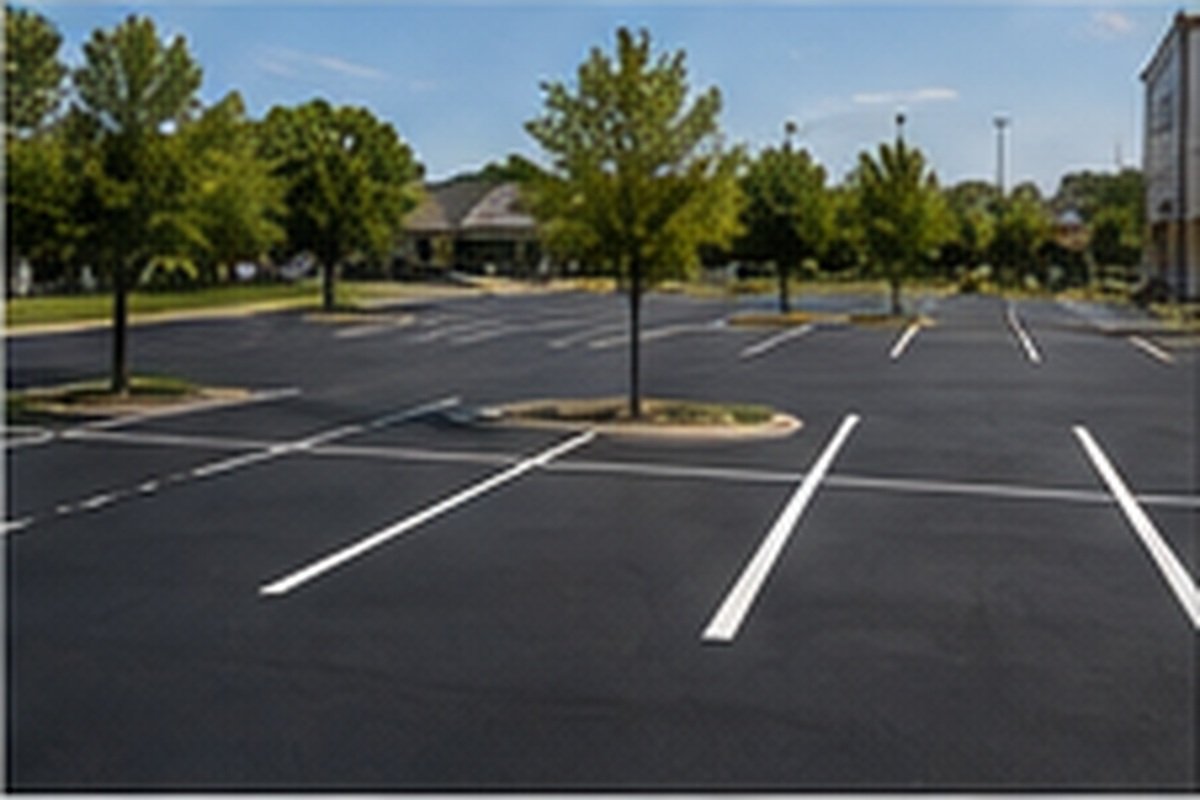
A Schedule, Not a Scramble
Waiting for a lot to visibly fail costs more than maintaining it on a schedule — we build recurring sealcoat cycles that get ahead of it.
Most property managers deal with sealcoating reactively — a lot gets bad enough to notice, someone gets a quote, and a one-time job gets scheduled. That approach almost always costs more over time than staying ahead of it, because a lot that’s allowed to visibly deteriorate before it’s addressed has usually already developed cracks and base issues that a timely recoat would have prevented.
We build recurring sealcoat maintenance programs around a lot’s actual wear pattern — typically a recoat every two to three years, with crack filling and surface prep addressed on the same schedule rather than as separate emergencies. Paige Sorensen manages the scheduling side of these programs, tracking each property’s next-due date so a recoat happens on a plan instead of waiting for a property manager to notice the lot’s failing.
A lot maintained on a recurring sealcoat cycle rarely needs anything beyond routine recoating and crack filling — problems get caught and addressed while they’re still small. A lot maintained reactively tends to accumulate damage between jobs, since nobody’s tracking when the next recoat is actually due, and by the time it’s obviously overdue, cracks have often spread far enough to need repair work beyond a standard seal coat.
We set and track your property’s next-due date so recoating happens proactively, not after a property manager notices visible wear.
Crack repair and oil spot treatment addressed as part of each scheduled cycle instead of billed as separate emergency visits.
Program properties get scheduling priority over one-time requests, so your recoat happens on time even during our busier stretches.
Photos and notes on your lot’s condition at each visit, building a record of how the pavement is holding up over time.
| Pricing factor | How it affects your estimate |
|---|---|
| Lot size & scope | Larger lots and multi-visit contracts change per-unit pricing. |
| Current surface condition | Crack filling and oil spot prep add to the scope before sealer goes down. |
| Coat count & application method | Two-coat spray or squeegee application is priced by total square footage. |
Maintenance program pricing is typically set as a per-cycle rate locked in for the life of the program, based on lot size and expected recoat frequency — usually more cost-effective over several years than pricing each recoat as a standalone job. We’ll walk the property, propose a cycle length based on traffic and condition, and give you a straightforward program quote.
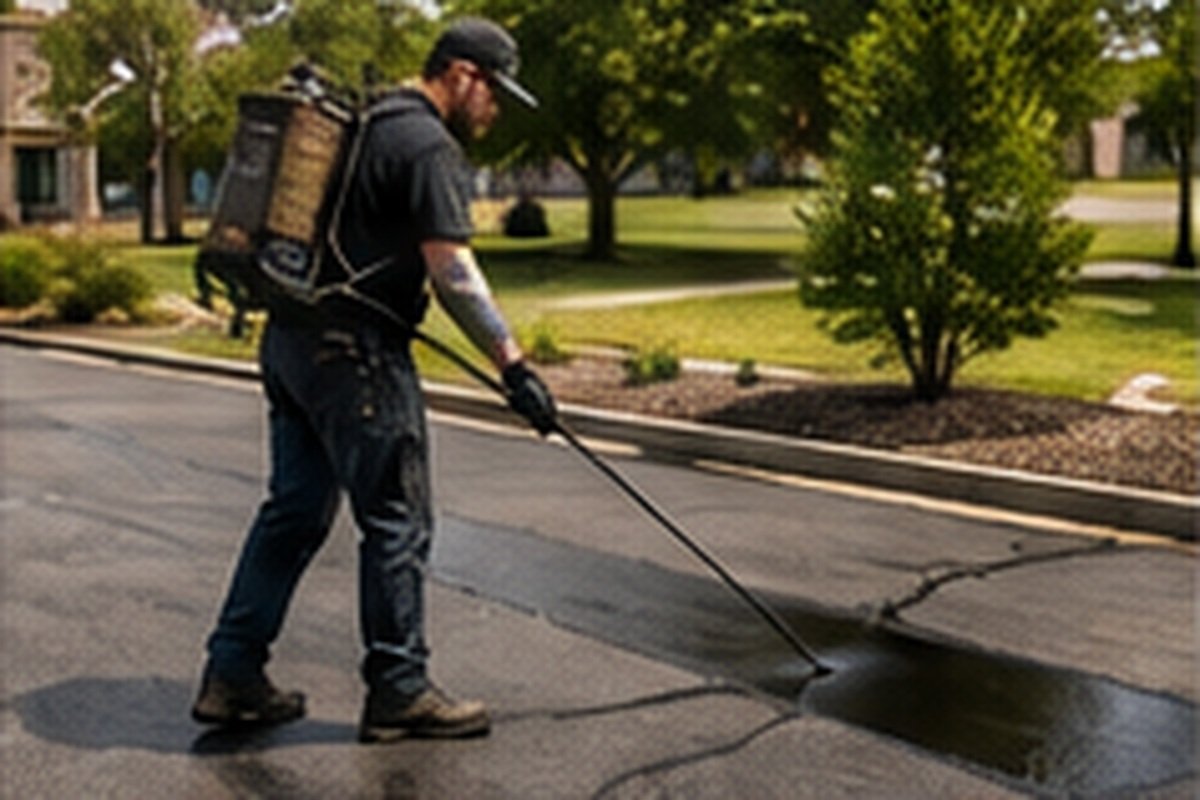
Reactive sealcoating work is easy to sell but doesn’t serve a property manager’s actual interests — a lot that’s allowed to fail before it’s addressed almost always ends up costing more than one maintained on a schedule. We built our maintenance programs because we’d rather keep a client’s pavement in good shape year after year than wait for a crisis and quote a bigger job.
No pressure, no obligation — just a straightforward look at your property.
You call or request a program consultation. Tell us about your property and current sealcoat history if you have it.
We walk the property, assessing current condition and proposing a cycle length.
We set your recoat schedule, tracking the next-due date so it doesn’t slip.
We handle each cycle — crack filling, prep, and recoating — on schedule, without you having to request it.
We document each visit so you have a running record of your lot’s condition and maintenance history.
Owning or managing more than one lot, a history of reactive sealcoating jobs scheduled only after visible damage, difficulty remembering when a lot was last recoated, or wanting predictable pavement maintenance costs instead of surprise repair bills are all signs a program fits. Portfolio-level property managers in particular benefit from moving off a one-off-job model.
A recurring maintenance program converts pavement care from an unpredictable expense into a planned, budgetable line item — and because it catches problems early, it typically costs less over a five-to-ten-year window than the same lot maintained reactively. Delaying maintenance until a lot visibly fails almost always means a bigger job later, whether that’s extensive crack repair, patching, or an early repave.
We track your property’s next-due date and schedule it proactively, so recoating happens on time without you having to remember or request it each cycle.
Yes — see our Multi-Property Sealcoating Programs page for portfolio-level scheduling across several sites.
Program properties get priority scheduling for any unexpected issues — like storm damage or an early-developing crack — so you’re not waiting behind non-program clients.