Wichita Sealcoating

Email: info@sealcoatingwichita.com
Call: (316) 361-7746
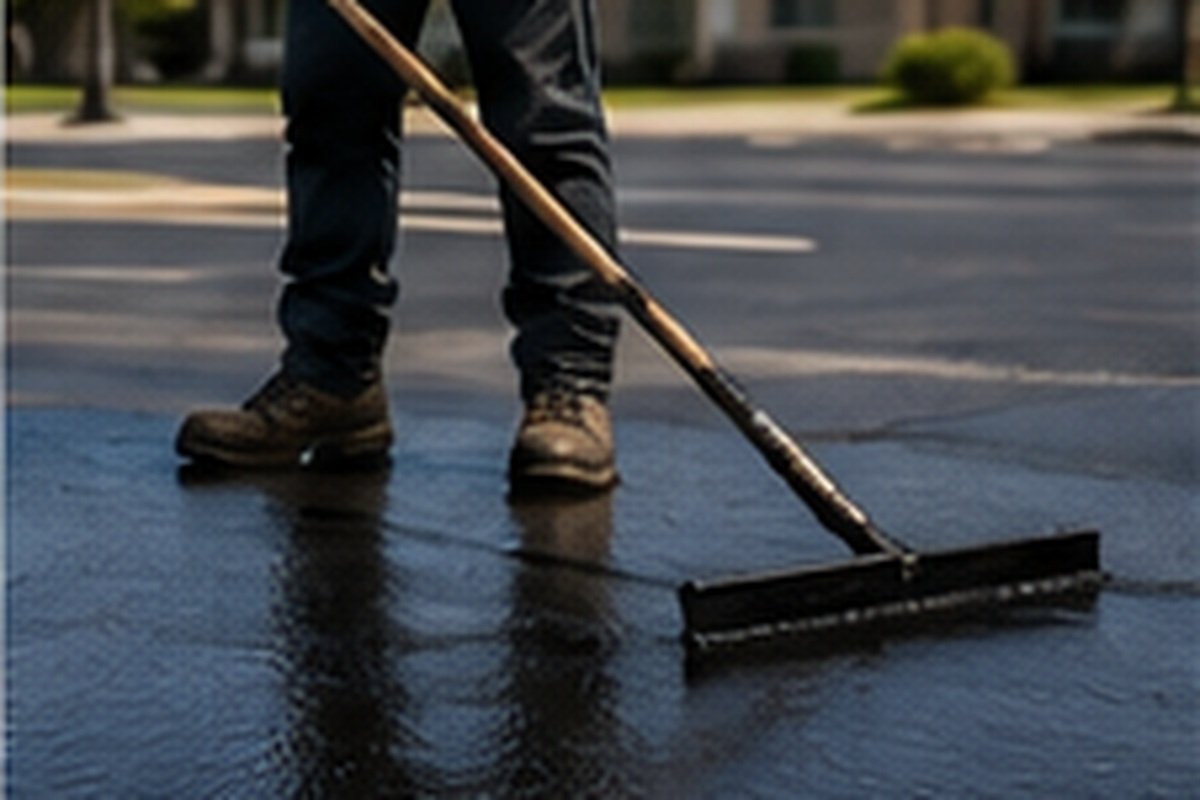
Freshly Paved? Timing Matters
New asphalt needs to cure before its first seal coat — we time it right instead of rushing the schedule.
Freshly paved asphalt isn’t ready for sealcoating right away — the oils in new asphalt need time to cure and off-gas, and sealing too early traps that process underneath the coat, leading to poor adhesion and early failure. Depending on traffic and weather, that curing window usually runs somewhere between six and twelve months, and rushing it to fit a construction timeline or a sales quota is a common way new lots end up needing repair work within their first year.
We assess new asphalt on-site rather than applying a blanket rule, since sun exposure, traffic volume, and asphalt mix all affect how fast a lot actually cures. Once a lot’s ready, first-time sealcoating protects it from the UV exposure and oxidation that starts breaking asphalt down the moment it’s out of the ground — getting ahead of that from the start extends the pavement’s life significantly compared to waiting until it shows visible wear.
New asphalt continues curing for months after it’s laid, releasing oils as part of that process. A seal coat applied before that’s finished traps the oils underneath, preventing proper adhesion and setting the coating up to peel or fail early — sometimes within the same season it was applied. Waiting for the right window isn’t overcautious; it’s the difference between a first seal that lasts and one that needs redoing.
We evaluate the asphalt’s condition rather than applying a generic timeline, accounting for traffic, sun exposure, and mix type.
Checking for any early-stage issues — soft spots, drainage problems — before the first seal coat locks them in.
Full-strength sealer applied once the asphalt is ready, protecting it from UV and oxidation from day one of eligibility.
Photos of the finished lot and a record of the cure assessment, useful for warranty and maintenance records.
| Pricing factor | How it affects your estimate |
|---|---|
| Lot size & scope | Larger lots and multi-visit contracts change per-unit pricing. |
| Current surface condition | Crack filling and oil spot prep add to the scope before sealer goes down. |
| Coat count & application method | Two-coat spray or squeegee application is priced by total square footage. |
Pricing for new asphalt sealcoating is similar to a standard recoat, based on lot size and application method, though new lots typically need less crack filling or oil spot prep than an aging surface. We’ll assess the lot’s readiness and give you an itemized written estimate, including our recommended timing if the lot isn’t cure-ready yet.
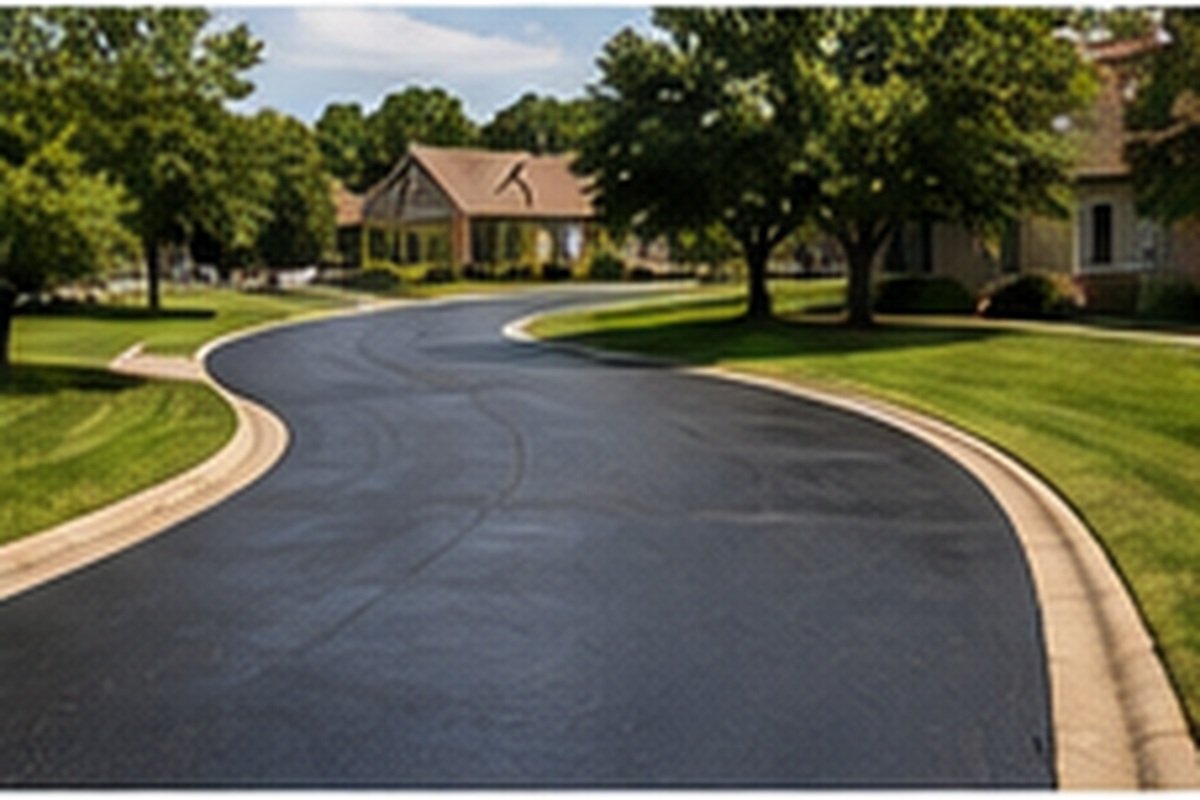
Getting the timing right on new asphalt takes more restraint than skill — it’s easy to sell an early seal coat to a property owner eager to protect their investment, and harder to tell them to wait. We tell property managers the truth about when their lot is actually ready, because a seal coat applied too early does more harm than good.
No pressure, no obligation — just a straightforward look at your property.
You call or request an estimate. Tell us when the asphalt was paved and any timeline you’re working with.
We schedule an on-site assessment, usually within the same week.
We evaluate cure readiness, checking the surface and asking about traffic and paving conditions.
We schedule the first seal coat for the right window — immediately if the lot’s ready, or a specific future date if it’s not.
We document the finished job with photos for your property records.
A lot that’s six to twelve months past paving, asphalt that’s stopped having a strong tar smell in warm weather, and no soft or tacky spots when walked in direct sun are good general signs — though we’ll always confirm on-site rather than relying on a calendar alone. If a property manager or developer is asking about sealcoating before six months have passed, our honest answer is usually to wait.
Sealing new asphalt at the right time is one of the highest-value moves in a property’s long-term pavement budget — it gets ahead of UV damage and oxidation before they start, rather than reacting to visible wear years later. Getting the timing wrong, in either direction, costs more: too early risks a failed coat that needs redoing, and too late means the asphalt has already lost some of the life a timely first seal would have protected.
Typically six to twelve months, depending on traffic and weather — we assess the actual lot rather than applying a fixed rule.
The curing oils get trapped underneath the coat, which usually leads to poor adhesion and the seal coat peeling or failing within the same year.
Usually less than an aging lot, but we still inspect for any early-stage cracking or soft spots and address them before sealing.