Wichita Sealcoating

Email: info@sealcoatingwichita.com
Call: (316) 361-7746
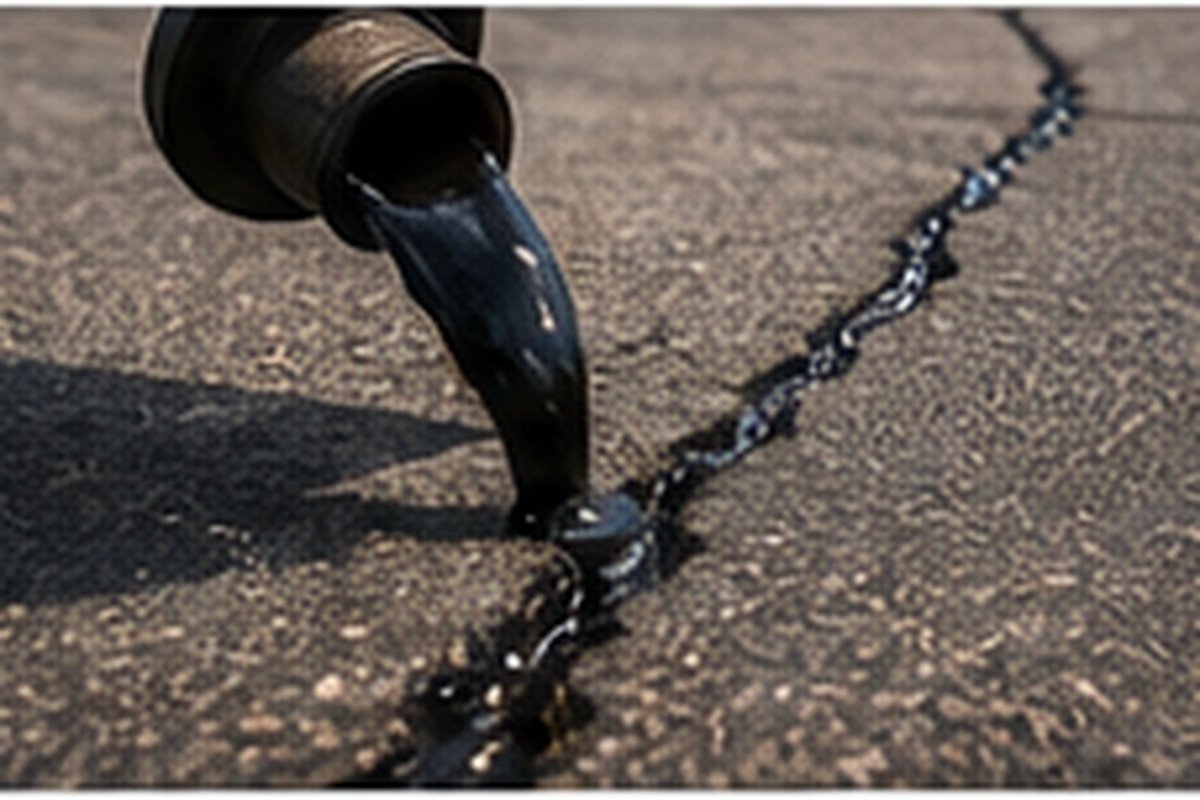
A sealcoat over an open crack just traps water underneath — we fill cracks first so the seal actually holds.
Cracks are how water gets into an asphalt lot’s base, and once it’s in, freeze-thaw cycles through a Kansas winter turn a hairline crack into a pothole within a season or two. Skipping crack repair to save time on a sealcoating job is one of the most common shortcuts in this industry — the seal coat looks fine on the surface while water keeps working underneath it, and the crack reopens within a year, sometimes worse than before.
We fill cracks with hot rubberized crack sealant or cold pour material depending on crack width and lot conditions, always as a step ahead of sealcoating rather than an afterthought. Field operations lead Nathan Ruiz walks every lot before a crew shows up and flags exactly which cracks need routing and filling versus which areas signal a deeper base problem that needs more than a surface fix.
A seal coat applied over unfilled cracks doesn’t stop water from getting in — it just hides the crack from view while the damage keeps spreading underneath. Filling cracks first means the sealer bonds to a sound surface and the crack itself gets sealed against water intrusion, instead of getting painted over and left to reopen within a season.
We walk the lot and identify which cracks need filling, routing, or a deeper look before any material goes down.
Applied to larger or actively moving cracks for a flexible, durable seal that expands and contracts with temperature swings.
Used on smaller cracks and cooler-weather jobs where hot application isn’t practical.
Photos of crack locations before and after repair, useful for tracking a lot’s condition over time.
| Pricing factor | How it affects your estimate |
|---|---|
| Lot size & scope | Larger lots and multi-visit contracts change per-unit pricing. |
| Current surface condition | Crack filling and oil spot prep add to the scope before sealer goes down. |
| Coat count & application method | Two-coat spray or squeegee application is priced by total square footage. |
Crack filling pricing depends on total linear footage of cracking, crack width, and whether the work is standalone or bundled ahead of a sealcoating project. Bundling crack repair with a scheduled sealcoat job is typically more cost-effective than addressing cracks as a separate visit. We’ll walk the property and give you an itemized written estimate before any work starts.
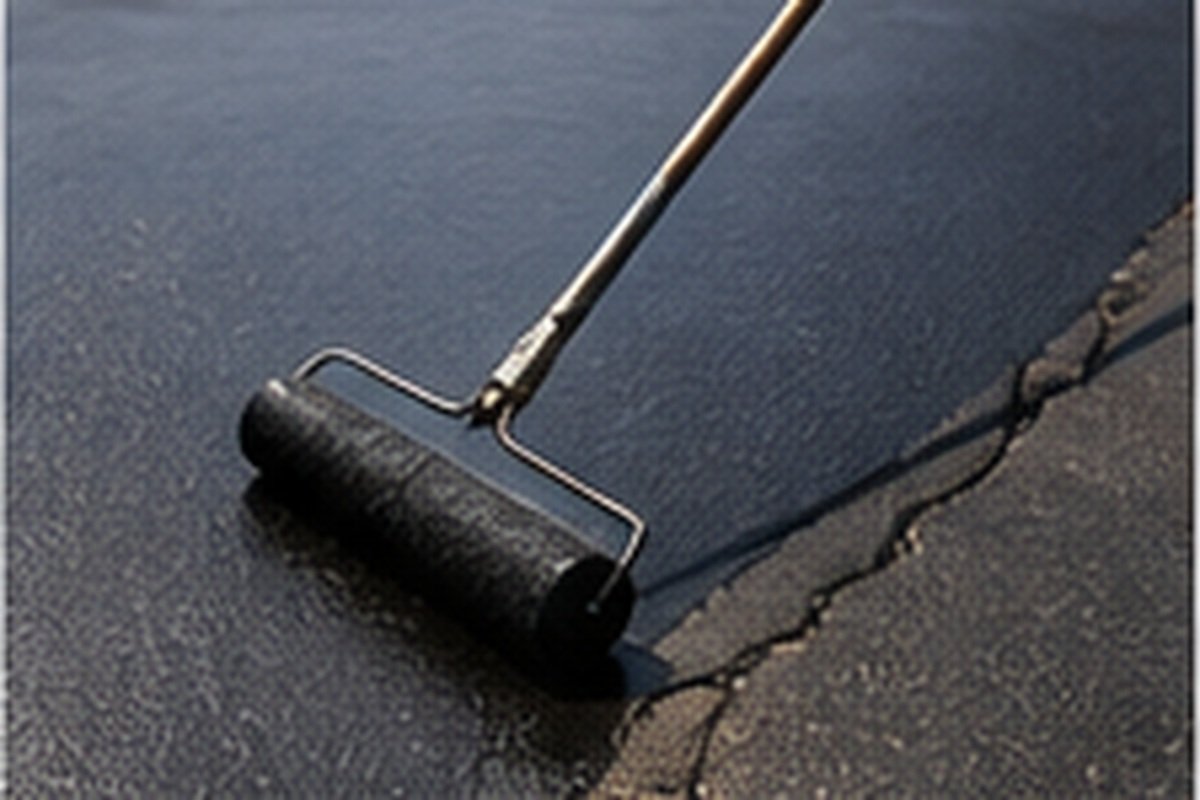
Crack filling isn’t a line item we rush through to get to the more visible sealcoating work — it’s the step that determines whether the seal coat actually holds. Our field operations lead can tell a property manager exactly why a previous sealcoat job failed early if a crack was left unfilled, and we build every job around getting that prep right the first time.
No pressure, no obligation — just a straightforward look at your property.
You call or request an estimate. Tell us what you’re seeing — spreading cracks, a lot due for sealcoating, or both.
We schedule a walkthrough, usually within the same week.
We inspect and map the cracks, identifying material and method for each.
We fill and seal the cracks, using hot rubber or cold pour material as conditions call for.
We document the work with before-and-after photos for your property file.
Hairline cracks that seem to be spreading, cracks with grass or weeds growing through them, dark staining around a crack that suggests water pooling underneath, or a lot that’s due for sealcoating but hasn’t had cracks addressed first are all signs it’s time. In Wichita, freeze-thaw cycles through winter are what turn a small crack into a real problem, so catching cracks before winter sets in — or immediately after, before they widen further — makes the repair smaller and cheaper.
A crack filled early costs a fraction of what the same crack costs to fix once it’s become a pothole or a base failure. Bundling crack repair ahead of a sealcoating cycle is the most cost-effective way to handle it, since the crew and equipment are already on-site — waiting until cracks force an emergency repair almost always costs more than catching them on a normal maintenance schedule.
Yes — crack filling is available as a standalone service, though it’s most cost-effective when bundled with a scheduled sealcoat visit.
Hot rubber creates a more flexible, durable seal and is used on larger or actively moving cracks; cold pour is simpler to apply and works well on smaller cracks or cooler-weather jobs.
Properly filled cracks hold up well, but a crack signals stress in the pavement — if the same area keeps cracking after repair, it may indicate a base issue that needs a different repair approach, which we’ll flag if we see it.