Wichita Sealcoating
Email: info@sealcoatingwichita.com
Call: (316) 361-7746
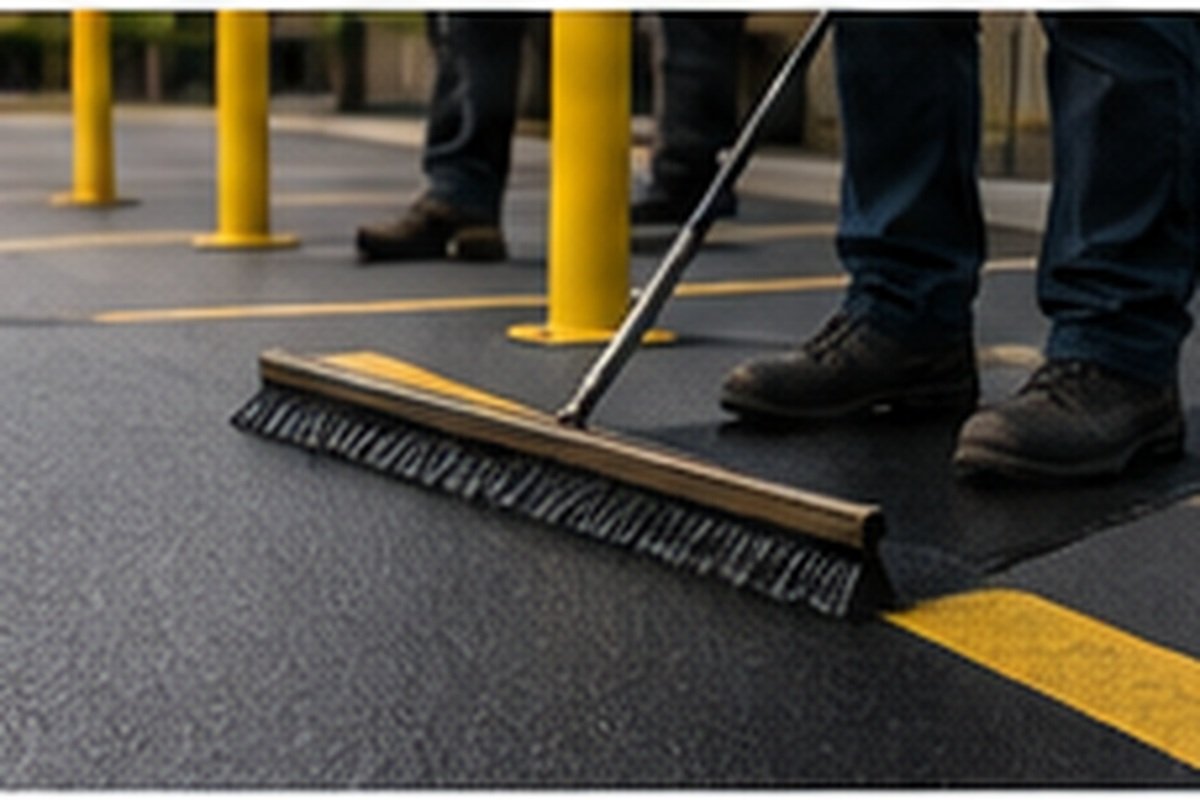
The Prep Work That Actually Matters
Sealer won’t bond over an oil spot or debris-covered surface — proper prep is what makes a sealcoat job actually last.
Oil, grease, and fluid leaks from parked vehicles break down asphalt binder and prevent sealcoat material from bonding to the surface — skip treating an oil spot before sealing, and that exact spot will peel or fail within months, standing out against the rest of the freshly coated lot. It’s a small step that gets skipped constantly on rushed jobs, because it doesn’t show up as a problem until after the crew has already left.
We treat oil spots with a penetrating primer before any sealer goes down, and we sweep, blow, and pressure-wash the full lot surface ahead of application so the seal coat bonds to clean asphalt instead of dirt, gravel, or loose debris. This is standard prep on every job we run, not an add-on service billed separately after a problem shows up.
Sealer is designed to bond to asphalt, not to oil or grease residue — so any spot where a vehicle has leaked fluid becomes a weak point in an otherwise solid coat. Without a penetrating primer to treat the spot first, the sealer sits on top of the contamination instead of bonding to the pavement, and it’s usually the first place a fresh coat visibly fails.
We identify contaminated areas and loose debris across the lot before any prep work starts.
Applied to treated areas so sealer can bond properly instead of peeling off contaminated asphalt.
Full-lot surface cleaning to clear dirt, gravel, and debris ahead of sealcoat application.
Used on heavily soiled surfaces that sweeping alone won’t adequately clean.
| Pricing factor | How it affects your estimate |
|---|---|
| Lot size & scope | Larger lots and multi-visit contracts change per-unit pricing. |
| Current surface condition | Crack filling and oil spot prep add to the scope before sealer goes down. |
| Coat count & application method | Two-coat spray or squeegee application is priced by total square footage. |
Pricing depends on how many oil spots need treatment and how much debris or buildup the lot surface has accumulated. This prep work is typically bundled into a sealcoating project’s overall estimate rather than priced as a standalone line item, though we can quote it separately for lots that need prep now and sealing later. We’ll walk the property and give you an itemized written estimate before any work starts.
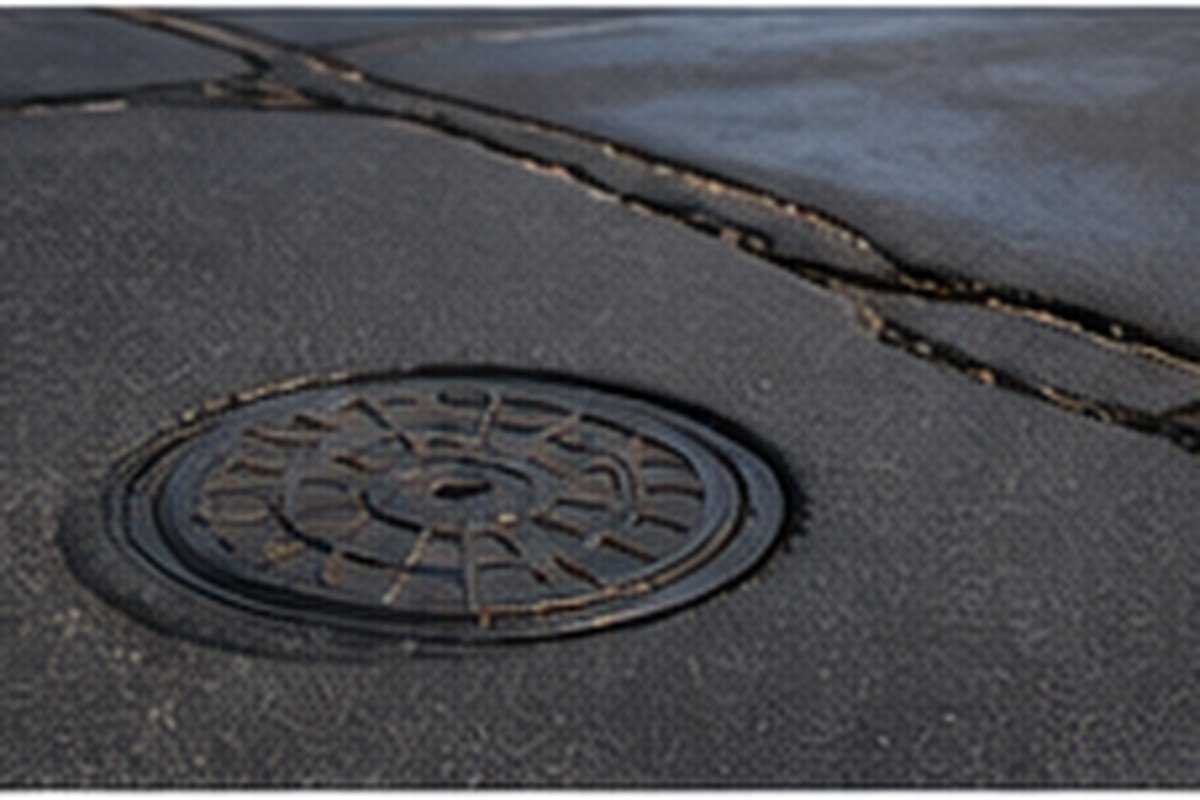
Surface prep is the step most likely to get rushed or skipped by a crew working off a daily job quota — it doesn’t show up as a problem until months later, by which point the crew that did the job is long gone. We treat it as a required step on every job, not an optional upgrade, because a seal coat is only as good as the surface it’s bonded to.
No pressure, no obligation — just a straightforward look at your property.
You call or request an estimate. Tell us if you’re seeing early failure spots on a previous seal coat or planning ahead of a new one.
We schedule a walkthrough, usually within the same week.
We inspect the surface, identifying oil spots and debris buildup.
We prime oil spots and clean the surface, sweeping, blowing, or pressure washing as the lot requires.
We document the prep work with photos before the sealcoat crew applies material.
Dark oil or fluid stains in parking stalls, a previous sealcoat job that’s peeling in specific spots rather than wearing evenly, visible gravel or debris buildup along curbs and low points, or a lot that’s due for sealcoating but hasn’t had a surface assessment are all signs it’s time. Oil spots are most common in lots with a lot of standing or delivery-vehicle parking, where the same stalls take repeat exposure over years.
Skipping surface prep to save a little time on a sealcoat job is one of the most expensive shortcuts in this industry, because it doesn’t fail the day of the job — it fails months later, once the crew and the warranty period are both gone. Proper prep costs a small fraction of a full sealcoat job and is what determines whether that job actually lasts the two-to-three years it’s supposed to.
Yes — oil spot treatment and surface prep are available as standalone services, particularly useful if you’re preparing a lot ahead of a sealcoating project scheduled for later.
It treats existing contamination so the sealer bonds properly, but ongoing vehicle leaks in the same stalls can cause new spots over time — we can flag chronic problem areas during your walkthrough.
It depends on lot size and condition, but prep is typically completed same-day or the day before sealcoat application, so it doesn’t add significant time to the overall project.